

This is not just about naming individuals—it’s about tracking systemic abuse and demanding accountability from the highest levels of power, starting with heads of state who either enabled or failed to stop these atrocities. Once a certain threshold is met for a given Head of State (e.g., 50+ submissions), they will be publicly named on the site as a leader whose administration has failed to protect children. This will create a global record of accountability, much like a poll or a report card on each leader’s involvement—or lack thereof—in protecting vulnerable children from psychological harm
Sometimes, the simplest moments carry the deepest wisdom. Allow your mind to quiet, and clarity will come to you. Child psychology abuse is not a matter of custody or visitation—it is a serious crime.
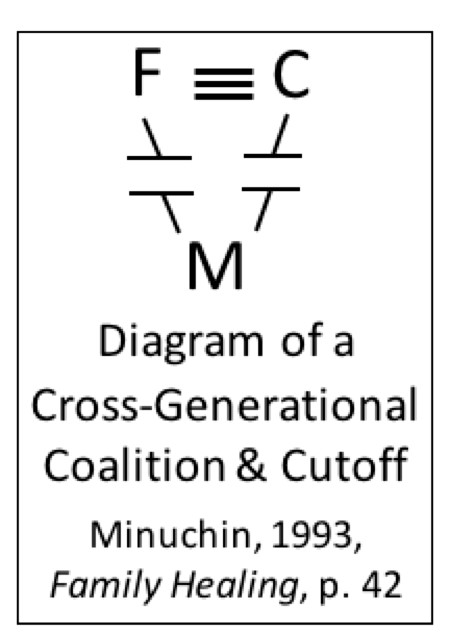
Cross-Generational Coalition (Minuchin 1993) with behavior patterns of mind control, manipulation, brainwashing, coercive control, Parental Alienation. Lies,
They have ignored the truth, failed to apply scientific knowledge, and prioritized careers and political agendas over the safety and well-being of children.
This is not incompetence. This is participation in child abuse.
The Evidence Has Been Available for Decades
This is not a gray area. This is diagnosable, severe psychological abuse. The DSM-5 and ICD have made this clear for years.
These Are the Diagnoses Courts and Governments Are Ignoring:
- 309.4 (ICD F43.25) – Adjustment Disorder (disturbance to emotions and behavior)
- 300.19 (ICD F68.10) – Factitious Disorder Imposed on Another (false attachment pathology)
- 297.1 (ICD F24) – Delusional Disorder, Persecutory Type (shared delusions with the child)
- V995.51 (ICD T74.32) – Psychological Abuse of Child
- V61.20 (ICD Z62.82) – Parent-Child Relationship Problem
- V61.29 (ICD Z62.898) – Child Affected by Parental Relationship Distress
“The diagnosis is clear. If there’s a problem, it’s diagnosable.”
— Craig Childress, Psy.D., Clinical Psychologist (CA PSY 18857)
As you move toward the midpoint of the article, this paragraph provides an opportunity to connect earlier ideas with new insights. Use this space to present alternative perspectives or address potential questions readers might have. Strike a balance between depth and readability, ensuring the information remains digestible. This section can also serve as a transition to the closing points, maintaining momentum as you steer the discussion to its final stages.
Key Insights
In this concluding paragraph, summarize the key takeaways from your article, reinforcing the most important ideas discussed. Encourage readers to reflect on the insights shared, or offer actionable advice they can apply in their own lives. This is your chance to leave a lasting impression, so make sure your closing thoughts are impactful and memorable. A strong conclusion not only ties the article together but also inspires readers to engage further.