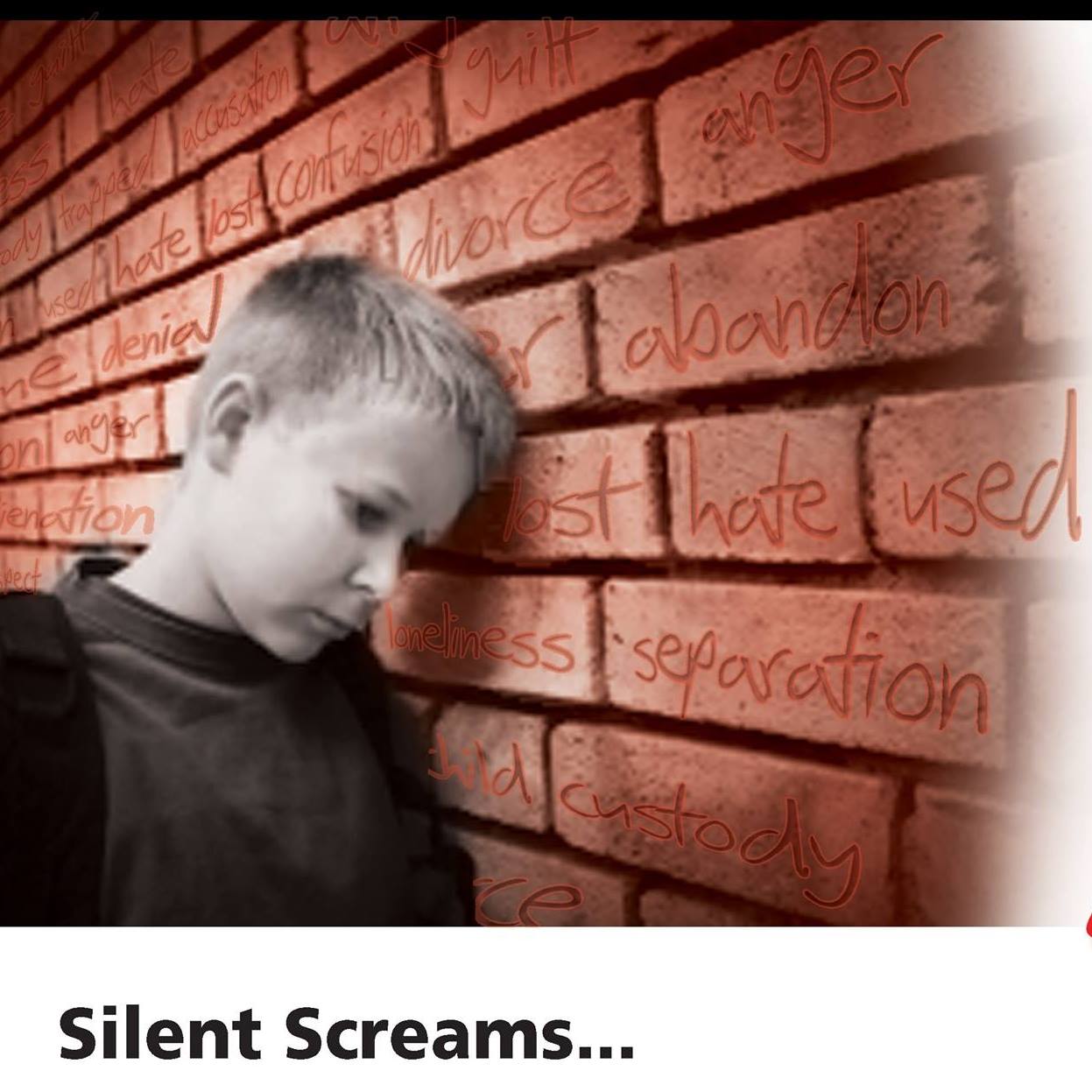

Systemic neglect in child welfare occurs when institutions or structures persistently fail to meet a child’s basic physical, emotional, or medical needs through acts of omission. As of 2026, research continues to emphasize that neglect is the most common form of maltreatment, often fueled by structural risks like poverty and inadequate social protection.
The Impact of Systemic Neglect
The consequences of neglect are often more severe and enduring than physical abuse, impacting nearly every facet of development:
Educational and Economic Outcomes: Victims are more likely to experience academic delays, enter special education, and face lower economic productivity as adults
Neurological Disruption: Chronic neglect disrupts brain architecture, particularly in the prefrontal cortex and amygdala, leading to lifelong deficits in attention, working memory, and impulse control.
Physical Health Risks: It is linked to “failure to thrive,” stunted growth, and a heightened risk for chronic adult conditions such as heart disease, diabetes, and autoimmune disorders.
Psychological and Social Damage: Neglected children frequently exhibit low self-esteem, social withdrawal, and difficulty forming secure attachments. This often manifests as severe depression, anxiety, or PTSD in adulthood.


Institutional and Global Context
- Systemic Failures: In many regions, neglect is compounded by an overburdened workforce. Social workers in 2026 face high caseloads and limited resources, which can delay critical interventions.
- Poverty vs. Neglect: A major systemic challenge is the conflation of poverty with neglect; roughly 64% of children removed from families in the U.S. are separated due to “neglect” that often stems from inadequate housing or nutrition rather than intentional harm.
- 2026 Projections: International assistance for education is expected to fall by nearly 25% by 2026, potentially leaving six million more children without schooling—a form of educational neglect on a global scale.
Early intervention remains the most effective way to reverse these harms. Targeted therapies like Child-Parent Psychotherapy can help repair trust and mitigate the long-term biological stress responses caused by early neglect
Key Insights Understanding Systemic Neglect and Its Impact
Systemic neglect in 2026 is recognized not merely as a family failure but as a critical institutional challenge that demands targeted reform and resource allocation. Key insights into its impact and the path forward include:
- Pervasiveness and Fatality Risk: Neglect remains the most common form of child maltreatment, substantiated in over half of confirmed cases. Critically, it accounts for nearly 75% of child fatalities resulting from maltreatment, often due to unsupervised accidents like drowning or home fires.
- Neurodevelopmental Damage: Chronic neglect in early childhood disrupts vital neural circuits in the prefrontal cortex and amygdala. These changes lead to permanent deficits in executive functions, including attention, working memory, and impulse control.
- Economic vs. Intentional Neglect: A major reform focus in 2026 is distinguishing between “bad parenting” and a “lack of resources”. Many cases of neglect are driven by poverty, housing instability, or inadequate healthcare rather than intentional harm.
- Life-Course Consequences: Beyond childhood, victims face significantly higher risks for psychiatric disorders, substance abuse, and lower economic productivity. However, evidence shows these effects are potentially reversible through proven treatment models and early intervention.
- Workforce Strain: Effective response is currently hindered by an overburdened workforce facing high caseloads and inadequate resources, which can delay life-saving interventions.
- Global Progress in 2026: Despite these challenges, 2026 has seen a surge in international cooperation and funding for child-centered policies, leading to a steady decline in child mortality rates and historic highs in literacy and nutritional support in some regions.
To address these systemic issues, organizations like UNICEF advocate for strengthening community-based mechanisms and state accountability to ensure every child is visible and protected.