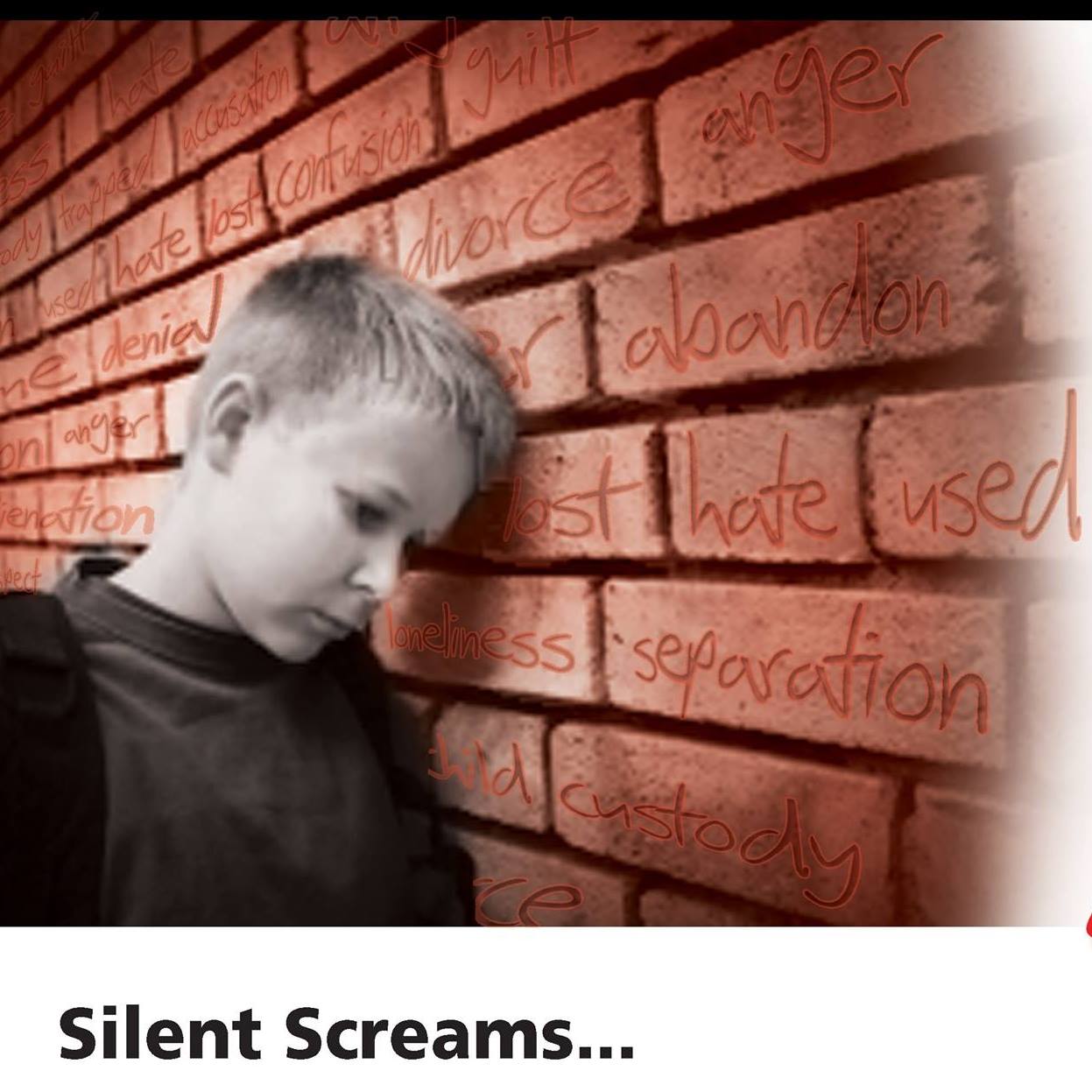

In 2026, advocacy serves as the bridge between silent suffering and systemic change. It is the catalyst that transforms individual tragedies into collective action, ensuring that the legal and social systems prioritize the vulnerable over the powerful. Effective advocacy in 2026 focuses on amplifying the voices of those who cannot speak for themselves.
Advocacy plays a crucial role in safeguarding children by working to create and improve systems that protect their well-being. It involves a range of activities aimed at influencing policy, practice, and public awareness to ensure children are safe and have the opportunity to thrive.
Here are some key aspects of how advocacy protects children:
Influencing Legislation and Policy: Advocacy organizations work to pass and strengthen laws that protect children from abuse, neglect, and exploitation. This can include advocating for mandatory reporting laws, stricter penalties for child abusers, and policies that support families and prevent child maltreatment.
Holding Systems Accountable: Advocates monitor child protective services, court systems, and other institutions to ensure they are effectively and fairly serving children’s best interests. They can raise concerns about systemic issues, advocate for improvements in procedures, and work to ensure accountability when systems fail to protect children.
Raising Public Awareness: Advocacy efforts educate the public about the challenges children face and the importance of child protection. This can involve campaigns to prevent child abuse, promote positive parenting, and encourage community involvement in safeguarding children.


Supporting Children and Families: Many advocacy groups provide direct support to children and families affected by abuse or neglect. This can include offering resources, counseling referrals, and guidance on navigating complex legal and social service systems.
Promoting Children’s Rights: Advocacy works to ensure that children’s rights are recognized and upheld. This includes advocating for children’s right to safety, education, healthcare, and a voice in decisions that affect them.
Effective child advocacy is essential for creating a society where all children can grow up safe, healthy, and free from harm. By working on multiple fronts, advocates help to build stronger protections and support systems for the most vulnerable members of our community
Key Insights Role of Advocacy in Protecting Children
In 2026, advocacy is the driving force that ensures child protection remains at the top of the political and social agenda. It acts as a watchdog for the judicial system, ensuring that the shift toward criminal accountability and transparency is not just a policy on paper, but a reality in practice.
The primary insights regarding the impact of advocacy include:
- Driving Legislative Change: Advocacy is responsible for the 2026 momentum behind the Criminal Conviction Trigger and the removal of the “presumption of parental involvement” in cases of abuse. Advocates ensure that laws evolve to meet the modern understanding of mental violence and child safety.
- Empowering the Victim’s Voice: By centering the “lived experience” of survivors, advocacy shifts the focus of the courtroom from parental rights to child protection. It ensures the child is seen as a person with individual rights, not a secondary participant in a family dispute.
- Ensuring Systemic Accountability: Advocates serve as the bridge between transparency and action. When transparent reporting reveals failures in the welfare system, advocacy groups mobilize the public and legal experts to demand immediate reform.
- Securing Essential Resources: Beyond the courtroom, advocacy is vital for securing the funding needed for long-term recovery. It ensures that “treatment” is not just a recommendation, but a well-funded, accessible right for every traumatized child.
Advocacy is the engine that powers our 3-step priority:
Offer treatment – Advocacy groups fight for the legislative funding and multidisciplinary support systems required to provide every child with the tools for healing.
Stop the abuse – Advocates push for stricter law enforcement protocols and immediate intervention when harm is detected.
Protect the child – Through legal advocacy, they ensure that protective orders are enforced and that abusive individuals lose parental responsibility.