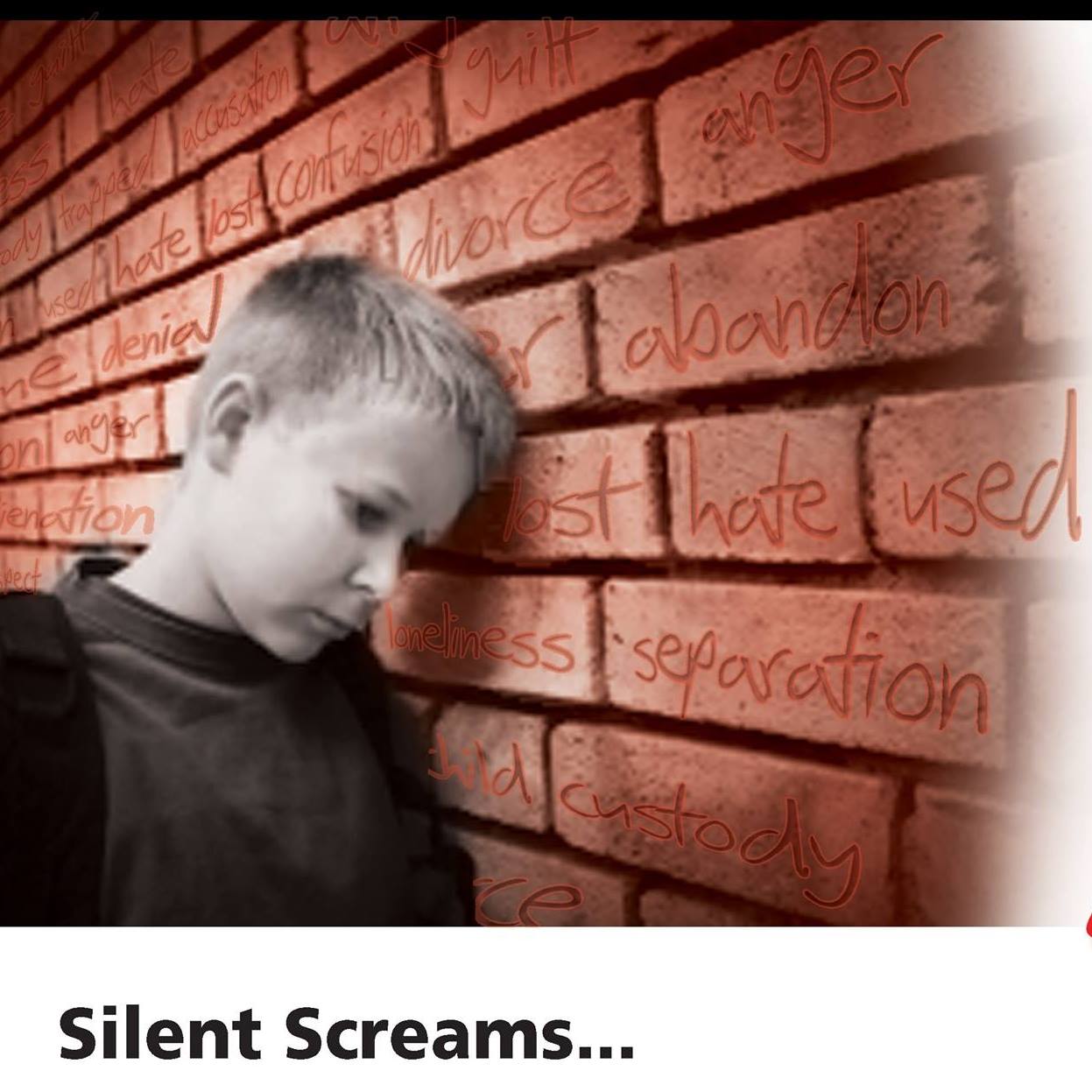

For over 114 years, our courtrooms have often stood as silent witnesses to history, serving more as backdrops for legal proceduralism than as dynamic engines of societal change. While the world outside has undergone radical transformations, the mahogany benches and rigid protocols of the justice system have remained largely unchanged, sometimes acting as a bystander to the very evolution it is meant to guide.
This article explores the critical shift from a passive legal system to one of active engagement and modernization. Understanding this evolution is vital because the gap between ancient tradition and contemporary needs directly impacts your access to fair and timely justice. By examining how the “bystander” era is ending, we will uncover the technological and philosophical shifts providing real value to every citizen today. Join us as we journey through a century of legal history to see how the courtrooms of 2025 are finally stepping into the light of the modern world.
In the quietest moments of reflection, the hardest truths often emerge with stinging clarity: we must stop masking criminal behavior with civil terminology. Child psychological abuse is not a “high-conflict” disagreement between parents, nor is it a routine complication of custody and visitation; it is a profound violation of a human being.
By labeling psychological torture as a mere domestic dispute, we diminish the trauma and shield the perpetrator. It is time to call it what it is—a crime. Just as we do with physical or sexual violence, we must move these cases out of the family court cycle and into the criminal justice system where they belong. True wisdom lies in the courage to demand accountability, ensuring that those who break a child’s spirit face the full weight of the law.
This paradigm shift is long overdue. Historically, the civil system has treated emotional and psychological abuse with a soft touch, often viewing it as an unfortunate byproduct of a contentious divorce rather than a direct and intentional act of harm. This approach fundamentally misunderstands the severity and lasting impact of such abuse. Unlike a fractured bone, which eventually heals, the damage inflicted on a child’s developing psyche can last a lifetime, manifesting as anxiety, depression, and difficulty forming healthy relationships.
We can no longer allow the complexities of custody battles to serve as a smoke screen for perpetrators. The data is clear: the long-term effects of childhood psychological maltreatment are as devastating, if not more so, than physical abuse. Expert opinions overwhelmingly suggest that the civil system, with its focus on compromise and parental rights, is ill-equipped to handle the dynamics of a perpetrator-victim relationship.
Instead, we need the structured investigation, evidence standards, and punitive measures that only the criminal justice system can provide. When we shift these cases to a criminal court, we send an unequivocal message: the mental well-being of a child is non-negotiable and protected by the full force of the law, not subject to negotiation in a family court mediation room. This reclassification ensures accountability and finally offers victims the justice and protection they deserve.
While the push for criminalization is strong, some argue this approach could complicate matters further, potentially overwhelming the criminal courts and entangling victims in an even more adversarial, lengthy process. Critics raise valid concerns that proving psychological abuse to a criminal standard (beyond a reasonable doubt) might be difficult without tangible physical evidence. There is also the fear that criminal charges might eliminate the possibility of any cooperative parenting, even if supervised, which could be detrimental in some nuanced cases.
Other perspectives suggest exploring legal avenues within the civil system could be strengthened to address psychological abuse. This approach might involve creating more specific legal definitions of psychological harm within family law or implementing specialized training for civil court judges and legal professionals to better recognize and address such abuse. Another alternative could be to establish specialized family courts that are better equipped to handle cases involving allegations of psychological abuse, allowing for a more nuanced and less adversarial process than traditional criminal proceedings. Considering these alternative viewpoints highlights the need for tailored legal solutions that can effectively address the complexities of psychological maltreatment within the context of family and custody disputes. Understanding these different approaches helps maintain momentum as the discussion moves toward potential solutions that prioritize the well-being of children.
Key Insights
Safeguarding children requires a multi-faceted approach that involves identifying and addressing harmful situations, providing necessary support for recovery, and ensuring accountability for those who cause harm. Protecting a child’s well-being is paramount, and creating environments where children feel secure and supported is a fundamental responsibility of individuals and society. Addressing instances where a child’s safety is compromised involves various systems, including legal and social services, all working towards the goal of protecting the vulnerable and promoting healing. It is essential to continuously evaluate and improve these systems to ensure they effectively serve the best interests of children.