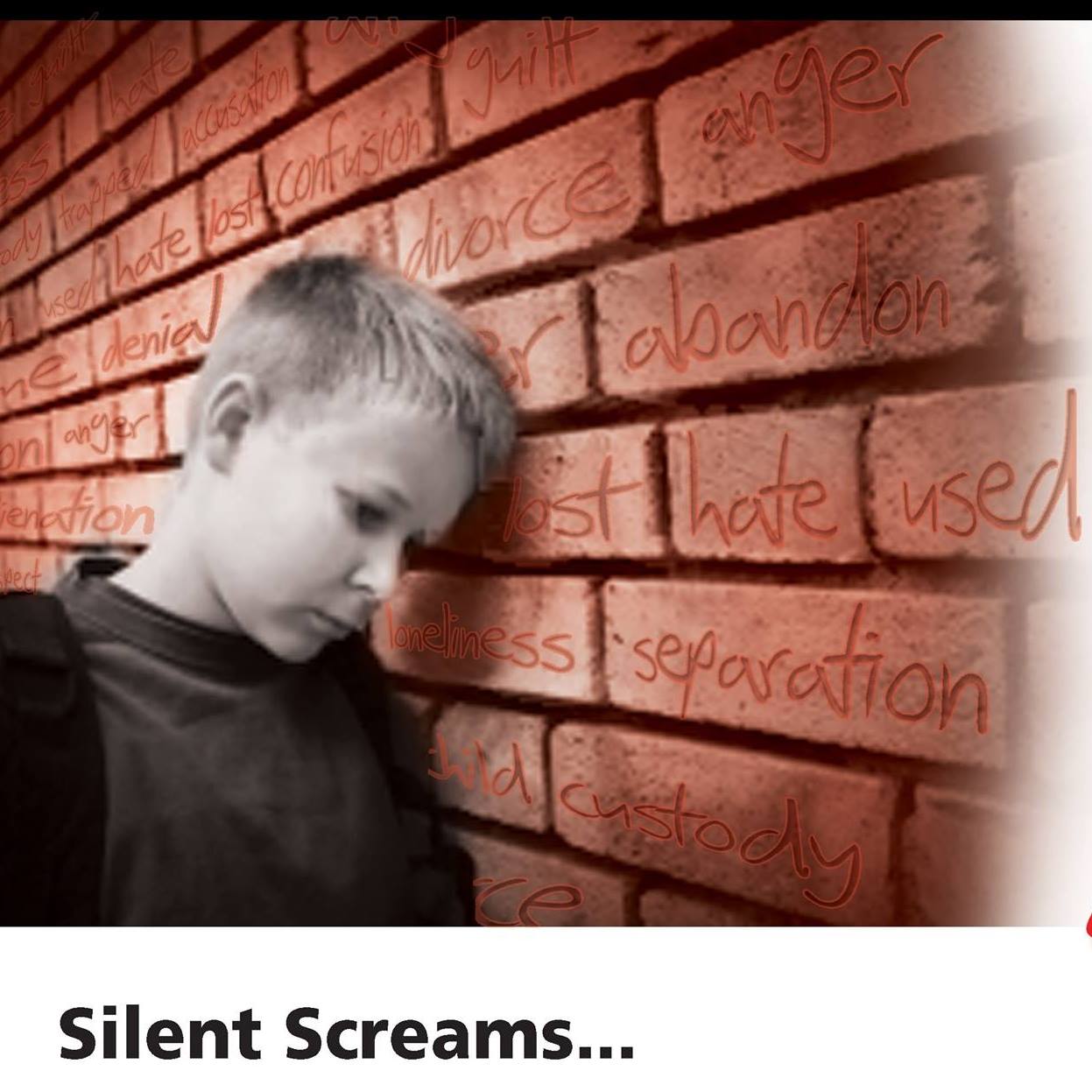

To safeguard the future of children in 2026, legislative reform must move beyond simple mediation and bridge the gap between family court and the criminal justice system. Effective reform ensures that the safety of the child is never secondary to parental rights.
Here are the critical steps toward legislative reform in child protection for 2026:
1. Repeal the Presumption of Parental Involvement
Current reforms in 2026 are shifting away from the automatic legal presumption that contact with both parents is always in a child’s best interest. Legislation must be updated to ensure that:
- Safety First: Contact with a parent should be earned through demonstrated safe behavior rather than assumed by law.
- Priority of Welfare: The “Paramountcy Principle” must be strictly enforced, making the child’s safety the primary consideration over “fair” time-sharing for parents.
2. Criminalize Mental Violence and Corporal Punishment
Modern 2026 standards, such as those implemented in recent amendments to the Civil Code, explicitly prohibit all forms of physical and psychological harm. Reform must include:
Ending Corporal Punishment: Any physical punishment must be legally recognized as an interference with human dignity, regardless of intensity or parental motivation.
Banning Mental Hardship: Legislation should explicitly define and prohibit systematic humiliation, threats, and creating psychological pressure as impermissible interferences with a child’s dignity.


3. Establish Mandatory Multi-Agency Investigative Teams
Legislation should mandate the use of specialized “Multi-Agency Child Protection Teams” for any case involving allegations of abuse. These reforms include:
- Standardized Training: Mandatory national child safety training for all early childhood staff and legal professionals by 2026.
- Unique Identifiers: Implementing a unique identifier number for every child across services (health, education, and social care) to ensure no warning signs of abuse are missed across different systems.
4. Automatic Restriction of Parental Responsibility
New legislative measures in 2026 aim to automatically restrict or suspend parental responsibility in cases of serious criminal offenses. This includes:
Separation of Proceedings: Ensuring that if a crime is identified during family court proceedings, the case is immediately referred to the criminal justice system for a full investigation with higher evidentiary standards.
Criminal Conviction Trigger: Automatic loss of parental responsibility for individuals convicted of serious psychological abuse, sexual offenses or violence against children.
The Three-Step Priority for Action:
- Stop the abuse – Use the criminal justice system to immediately halt harm through legal intervention and arrest if necessary.
- Protect the child – Secure a safe environment and remove the legal requirement for contact with an abusive parent.
- Offer treatment – Legally mandate and fund long-term psychological support for child victims to heal from trauma
Key Insights on Child Protection and Judicial Reform
Shifting the focus from family courts to the criminal justice system in cases of abuse is essential for ensuring child safety and legal accountability in 2026. By recognizing that violence and abuse are criminal acts—rather than private family disputes—we establish a foundation for real protection.
The key insights from this review are:
- Prioritizing Safety Over Mediation: Reforms in 2026 emphasize that a child’s safety must never be sacrificed for the sake of compromise or forced cooperation with a perpetrator. Mediation is fundamentally unsuitable when criminality is involved.
- Accountability for Mental Violence: Legislation must treat serious mental violence with the same gravity as physical assault. By implementing a Criminal Conviction Trigger, we ensure that convictions for psychological abuse, sexual offenses, or violence against children lead to an automatic loss of parental responsibility.
- Specialized Criminal Investigation: Only the criminal justice system possesses the necessary tools to investigate complex abuse cases and ensure perpetrators are held accountable under the appropriate standards of evidence.
- Systemic Responsibility: Protecting children requires multi-agency cooperation where warning signs are shared across authorities, ensuring no child is left behind due to bureaucratic silos.
In conclusion, society must always act according to this clear three-step priority:
Offer treatment – Provide specialized psychological support to help the child heal and rebuild their future.
Stop the abuse – Immediate intervention through the criminal justice system to halt the harm instantly.
Protect the child – Secure a safe environment and remove legal requirements for contact with an abusive parent.
Leave a Reply
You must be logged in to post a comment.